Products
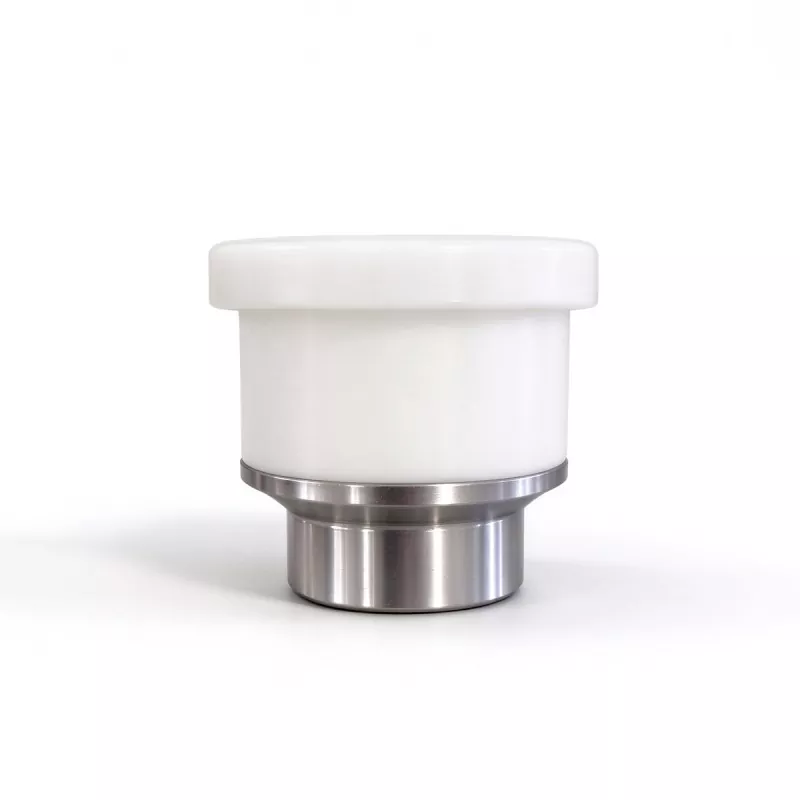
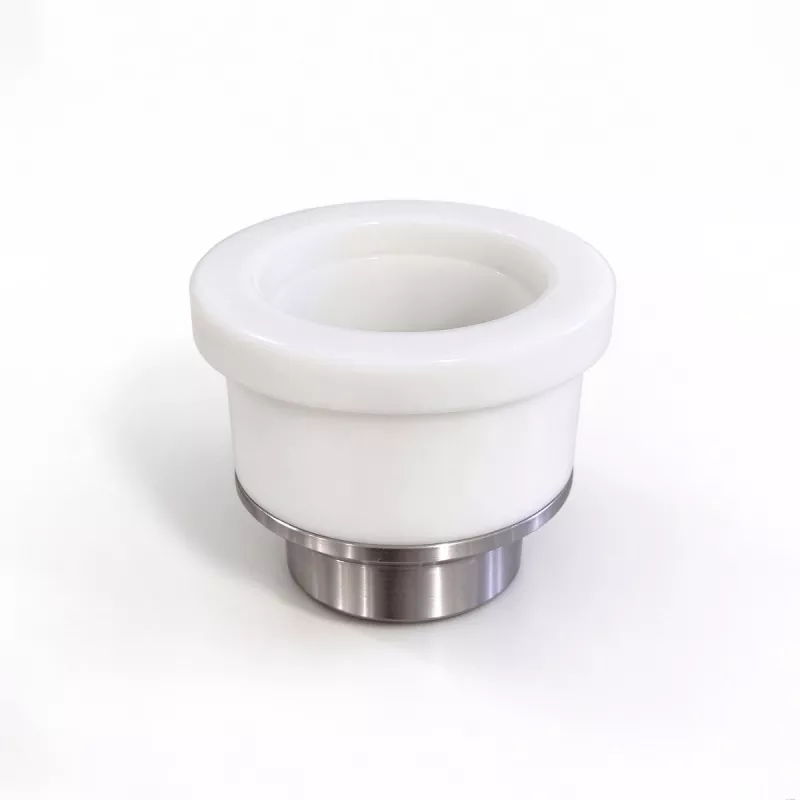
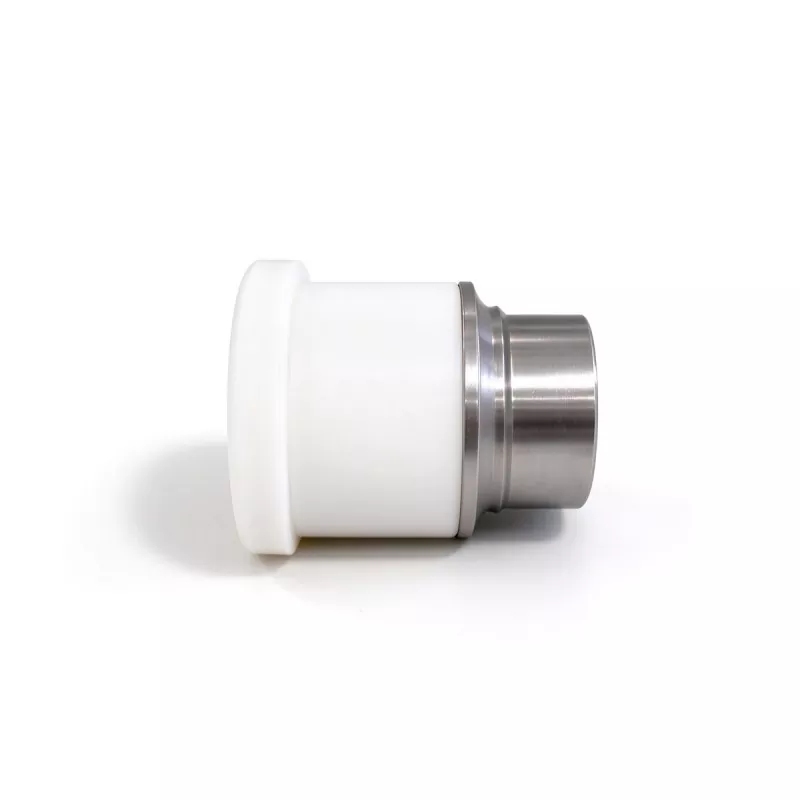
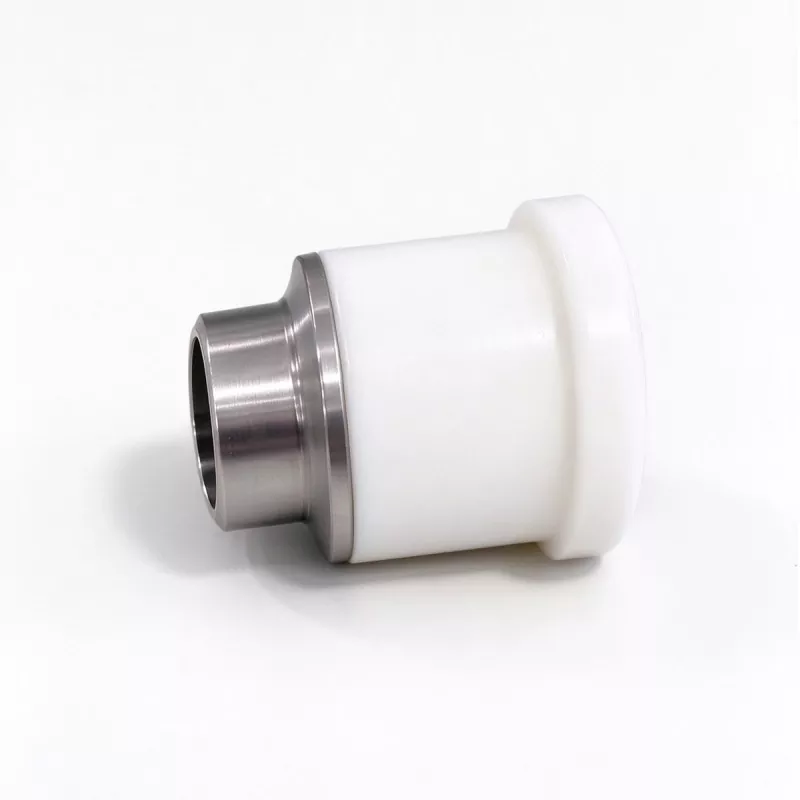
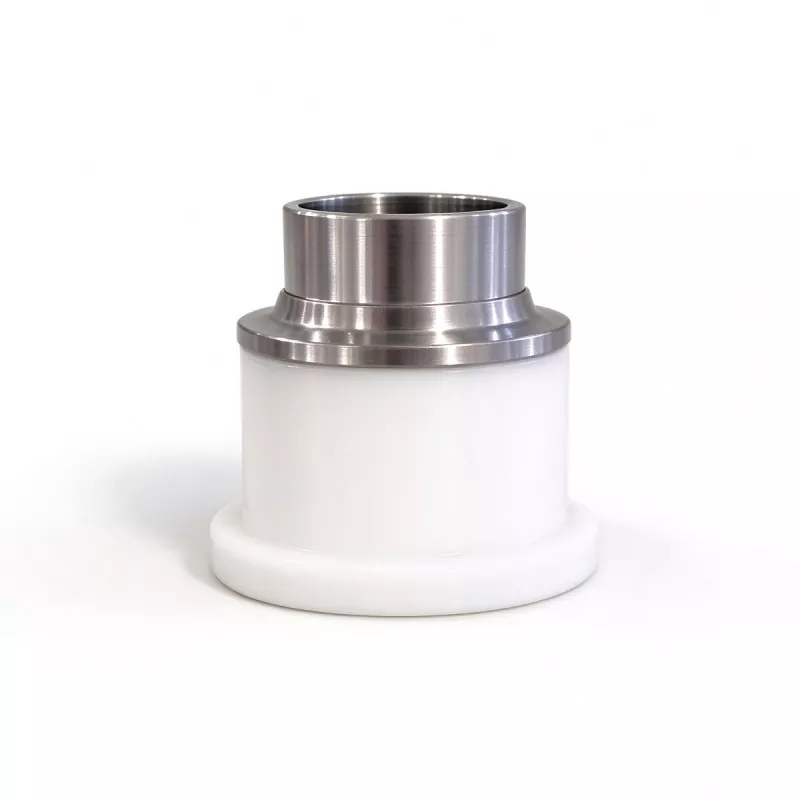
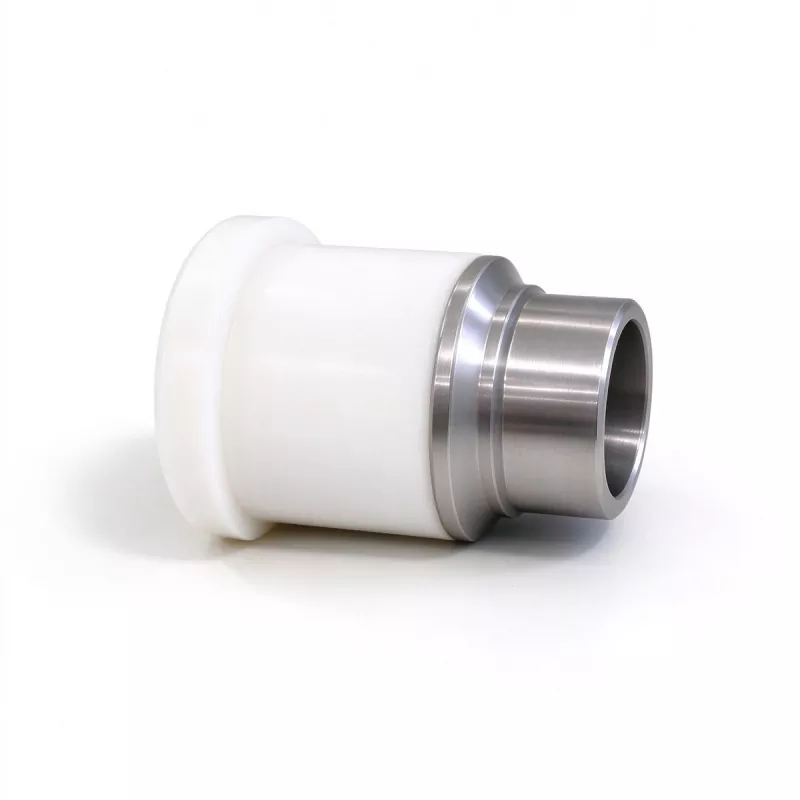
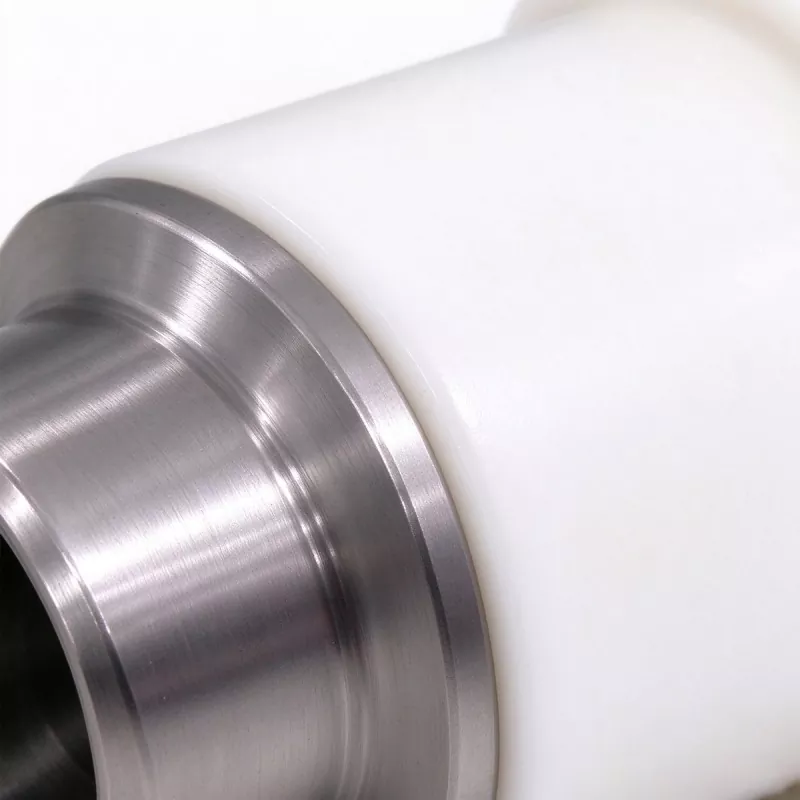
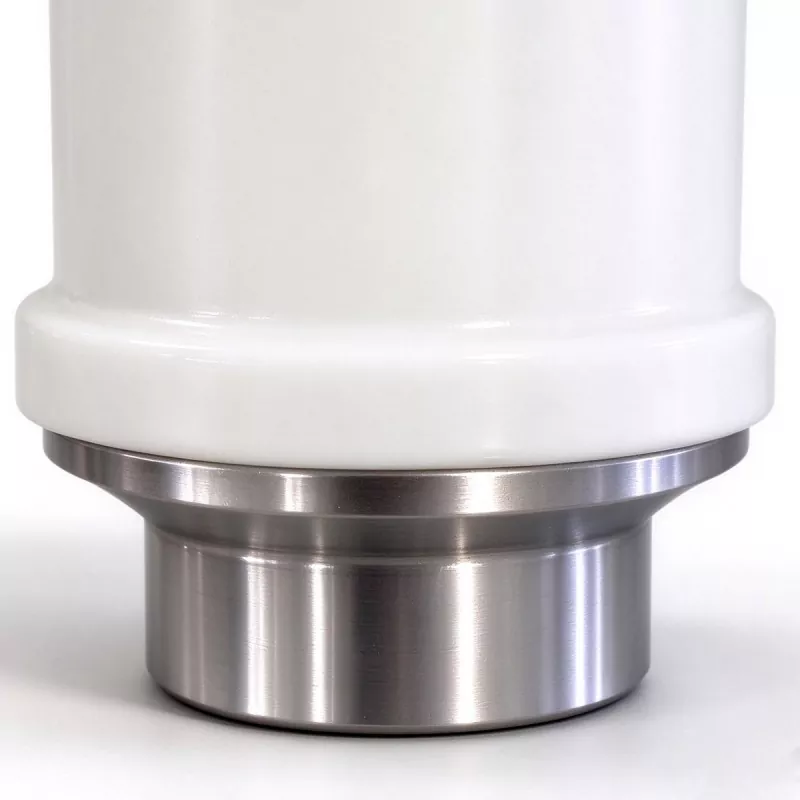
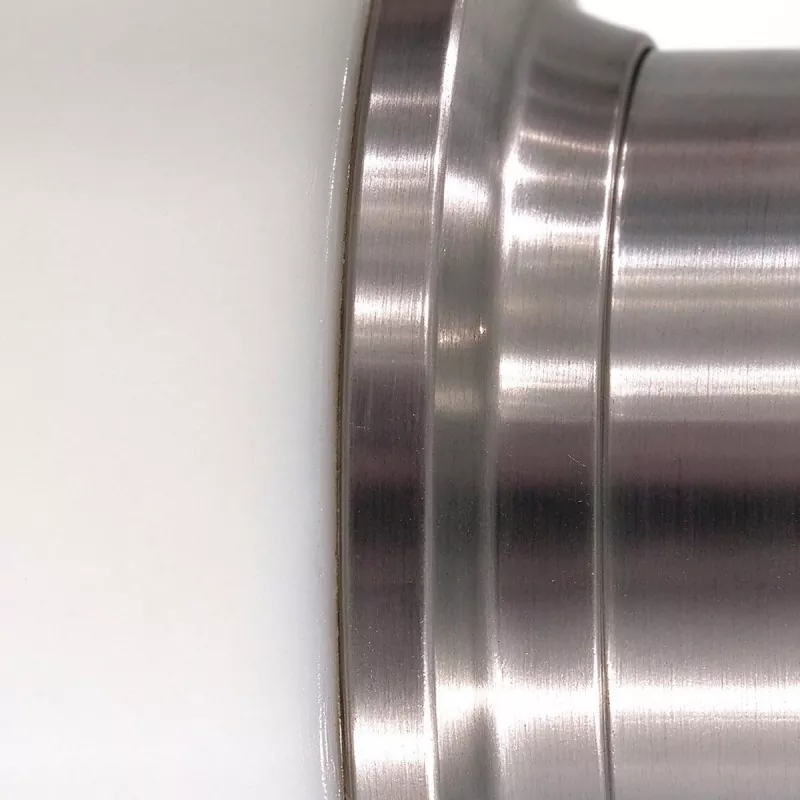
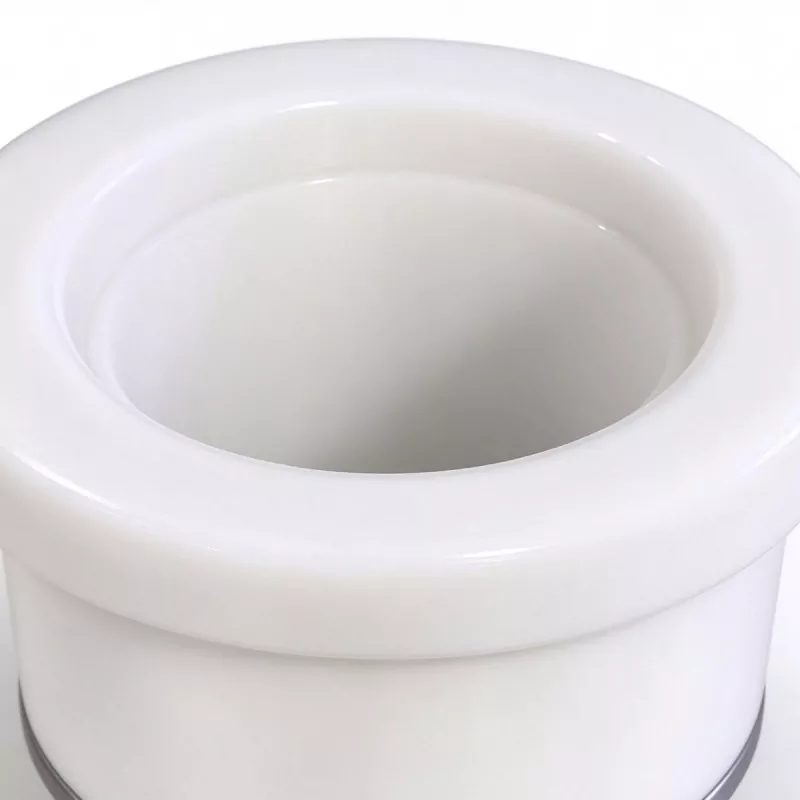
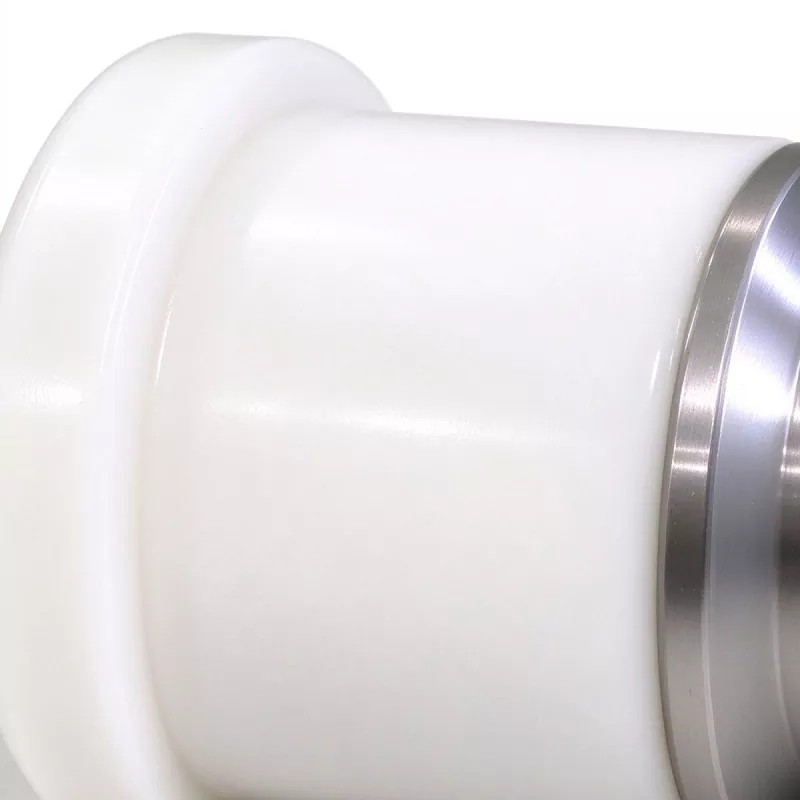
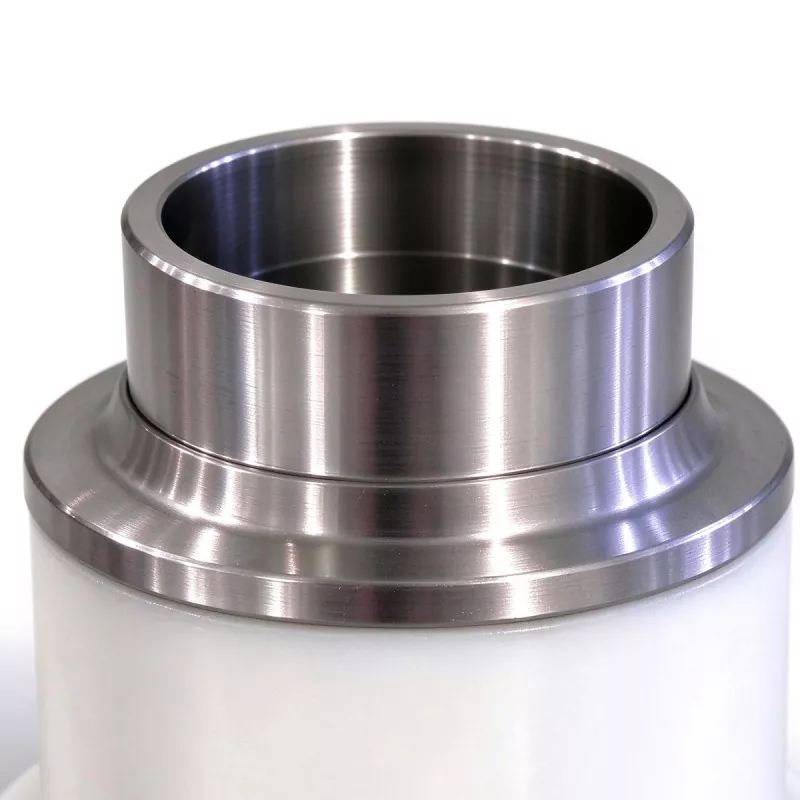
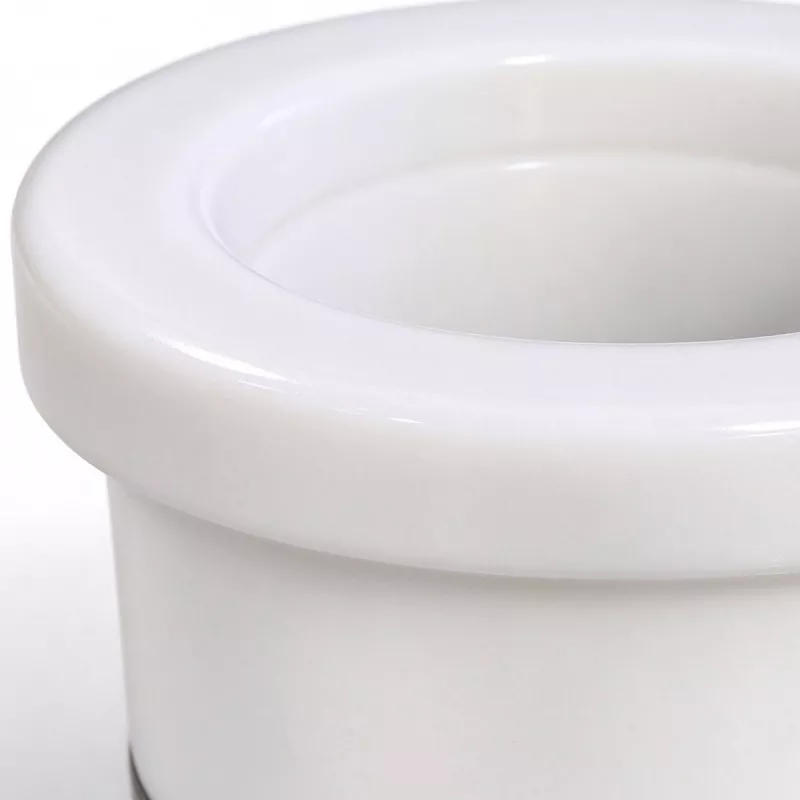
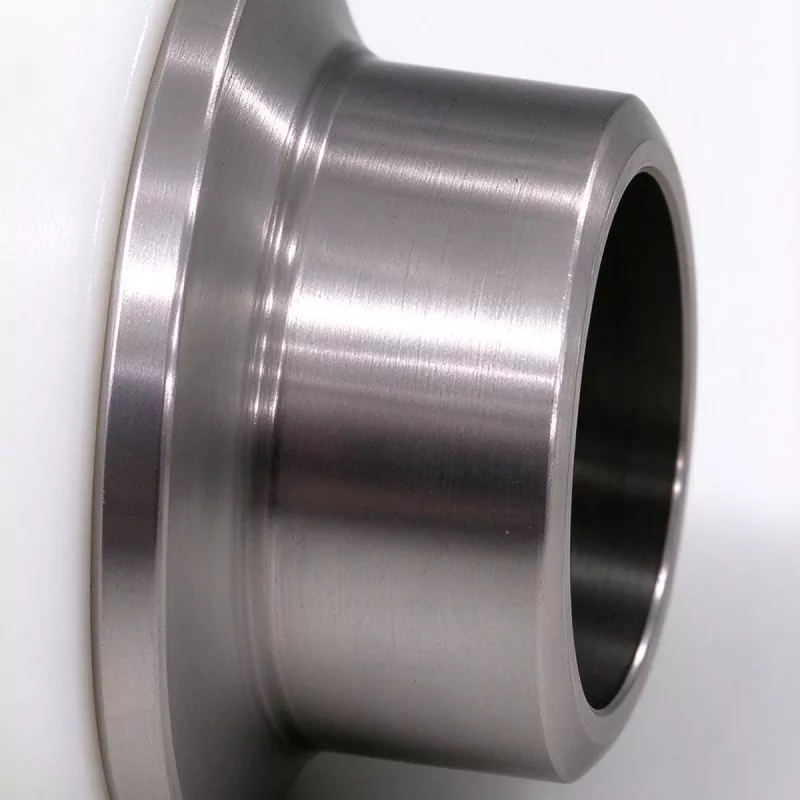
Laser Cutting Head Ceramic Ring
  • Laser Cutting Head Ceramic RingLaser Cutting Head Ceramic Ring
  • Laser Cutting Head Ceramic RingLaser Cutting Head Ceramic Ring
  • Laser Cutting Head Ceramic RingLaser Cutting Head Ceramic Ring
  • Laser Cutting Head Ceramic RingLaser Cutting Head Ceramic Ring
  • Laser Cutting Head Ceramic RingLaser Cutting Head Ceramic Ring
  • Laser Cutting Head Ceramic RingLaser Cutting Head Ceramic Ring

Laser Cutting Head Ceramic Ring

EVER VIEW supplies replacement ceramic components for fiber laser cutting heads, designed to support nozzle mounting, electrical insulation and height-sensing functions in compatible cutting-head assemblies. Since Laser Cutting Head Ceramic Rings can vary in dimensions, contact configuration and mounting structure, accurate identification is important before replacement.

EVER VIEW supplies replacement ceramic components for fiber laser cutting heads, supporting nozzle positioning, electrical insulation and height-sensing functions in compatible cutting-head assemblies. As a small consumable installed close to the nozzle, the Laser Cutting Head Ceramic Ring operates in an area exposed to heat, spatter, dust and occasional mechanical impact.

The correct ceramic ring should be selected according to the actual cutting-head structure. Outer diameter, inner diameter, height, thread, contact arrangement and mounting design may vary between different models.

For replacement purchasing, EVER VIEW recommends providing the cutting-head model, original part number, dimensions or clear photos. Our team can assist with specification matching before quotation and support maintenance stock or bulk orders.

A Key Part of the Lower Cutting Head

The Laser Cutting Head Ceramic Ring is positioned between the cutting-head assembly and nozzle-related components. Its exact structure depends on the cutting-head design, but it commonly contributes to both mechanical positioning and electrical isolation.

Support Nozzle Positioning

The ceramic body and related mounting structure help keep the nozzle assembly in the intended position. Correct dimensions and concentricity are important because the nozzle needs to maintain the required relationship with the laser beam.

Provide Electrical Insulation

Ceramic material provides electrical insulation between selected conductive parts of the cutting head. This characteristic is important in cutting heads that use capacitive height sensing to monitor the distance between the nozzle assembly and metal workpiece.

Height Sensing Depends on the Assembly

In compatible cutting heads, the ceramic ring works together with the nozzle and sensing components rather than operating as an independent sensor.

Maintain the Sensing Structure

The ceramic body separates relevant conductive components while maintaining the mechanical relationship required by the sensing assembly. Contact points or conductive inserts may also be incorporated depending on the specific design.

Reduce Installation Variation

A correctly matched ceramic ring helps the nozzle-related assembly return to its intended position after replacement. Incorrect dimensions can affect assembly fit and may require additional troubleshooting of the height-sensing system.

What Can Damage the Ring?

The Laser Cutting Head Ceramic Ring works close to the workpiece, making it vulnerable to several practical production conditions.

Collision Damage

A warped sheet, raised workpiece or programming error can bring the cutting head into contact with the material. After a collision, the ceramic body should be inspected for cracks, chips or displacement.

Heat and Spatter

Continuous cutting exposes the lower cutting-head area to heat and metal spatter. Contamination around the ceramic ring, nozzle and contact area should be addressed during routine maintenance.

Inspect Before Replacing Other Parts

A damaged ceramic ring can create symptoms that appear to be related to the nozzle or height-control system. However, it should not automatically be considered the cause of every cutting problem.

Check the Physical Condition

Look for cracks, chipped edges, deformation, contamination or abnormal looseness. If the ceramic body is visibly damaged, continued use should be avoided until the component has been assessed.

Check the Contact Area

Where the cutting-head design includes conductive contacts, inspect their condition according to the manufacturer's maintenance procedure. Poor contact can affect the sensing circuit.

Size Is More Than Outside Diameter

Buying by outside diameter alone can lead to an incorrect replacement. Different ceramic rings can have similar external shapes while using different mounting structures or contact arrangements.

Dimensions to Measure

When available, provide the outer diameter, inner diameter and overall height. Measurements should be taken from the original component rather than estimated from photographs.

Check Thread and Contacts

Thread size, mounting interface and contact position can also determine compatibility. The nozzle interface should be considered together with the ceramic-ring structure.

Item

Information to Confirm

Cutting Head

Brand and model

Outer Diameter

Actual measurement

Inner Diameter

Actual measurement

Height

Actual measurement

Thread

Thread specification

Contact

Pin or contact arrangement

Nozzle Interface

Compatible nozzle structure

Original Part

Part number or label

Final specifications should be confirmed against the actual cutting-head assembly.

Match the Ring to the Cutting Head

A Laser Cutting Head Ceramic Ring should be treated as a cutting-head-specific consumable rather than a universal accessory.

Different Models Use Different Designs

Cutting heads may differ in ceramic-ring dimensions, threads, locating features and contact configurations. Even products that look similar may not be interchangeable.

Original Information Helps

The original part number, packaging label and cutting-head model provide useful references for identifying the replacement. Clear photographs can further reduce the possibility of an incorrect match.

A Simple Identification Process

EVER VIEW can assist buyers who do not know the exact ceramic-ring specification.

Start With the Equipment

Provide the cutting-head manufacturer and model. If the cutting head has a nameplate or model marking, include a clear photo.

Add the Old Part Details

Send photographs of the original ceramic ring from different angles, together with available measurements, part numbers and contact information.

CUTTING HEAD → OLD PART → DIMENSIONS → PHOTO → SPECIFICATION

This process is particularly useful for overseas buyers, laser service companies and distributors sourcing replacement parts for existing machines.

Installation Requires Care

The ceramic ring is a precision component and should be handled carefully during replacement.

Inspect Before Fitting

Confirm that the new component has no visible cracks, chips or contamination. Check the dimensions and mounting structure before installation.

Avoid Mechanical Damage

Ceramic can be damaged by impact or excessive force. Install the component according to the cutting-head manufacturer's procedure and avoid overtightening related mounting parts.

Keep the Nozzle Assembly Stable

The ceramic ring does not work alone. Its condition should be considered together with the nozzle and other components at the lower end of the cutting head.

Check Nozzle Seating

After replacement, confirm that the nozzle is correctly seated and that the relevant assembly remains secure.

Check Height Sensing

Where capacitive sensing is used, verify normal height-sensing operation after maintenance before returning the machine to regular production.

Applications in Laser Metal Cutting

EVER VIEW replacement ceramic components are intended for fiber laser cutting equipment used in various metal fabrication environments.

Sheet Metal Processing

Typical applications include carbon steel, stainless steel and aluminum sheet processing for machinery parts, cabinets, enclosures and fabricated metal components.

Production and Service Equipment

They can also be relevant to laser cutting service centers, equipment maintenance companies, machinery manufacturers and distributors that maintain multiple cutting-head configurations.

The correct model is determined by the cutting-head structure rather than simply by the material being processed.

Build Practical Spare Inventory

Although a ceramic ring is a relatively small consumable, its unavailability can delay cutting-head maintenance.

For Production Factories

Factories operating multiple laser cutting machines can organize spare ceramic rings according to cutting-head model and machine number. This makes it easier for technicians to select the correct replacement.

For Distributors

Laser equipment distributors and service companies may require several specifications for different customer machines. Confirming the model before bulk purchasing helps avoid stocking incompatible parts.

Quality Matters in Small Components

The purchase price of a ceramic ring is small compared with the cost of a complete laser cutting system, but dimensional inconsistency can still create maintenance problems.

Dimensional Consistency

The ceramic body, mounting features and contact arrangement should correspond to the confirmed specification. Consistent dimensions help support repeatable assembly.

Packaging Protection

Ceramic components should be properly protected during storage and transportation. Preventing chips and cracks before installation is part of reliable consumable management.

When Should It Be Replaced?

There is no universal replacement interval for every cutting head. Actual service requirements depend on machine operation, collisions, heat exposure, contamination and maintenance practices.

Replace After Visible Damage

Cracks, chips, deformation or other physical damage are clear reasons to inspect the component and determine whether replacement is necessary.

Replace During Maintenance

If the ceramic ring shows abnormal wear or the cutting-head assembly does not operate as expected, replacement can be considered as part of the maintenance process.

Ordering Information

For an accurate quotation, provide the cutting-head model, original ceramic-ring information, dimensions, contact arrangement, photos and required quantity whenever possible.

If You Do Not Know the Model

Send clear photos of the ceramic ring, cutting head and original packaging. Include any available measurements or part numbers.

For Bulk Purchasing

For repeat or bulk orders, provide the required quantities and cutting-head models in advance. EVER VIEW can assist with specification confirmation and replacement supply.

NEED A REPLACEMENT CERAMIC RING?

Send Details → Confirm Model → Check Specification → Get Quote

Contact EVER VIEW for ceramic-ring matching, replacement and bulk purchasing for fiber laser cutting heads.

FAQ

What causes a ceramic ring to crack?

Collision with the workpiece, excessive mechanical force or improper handling can damage the ceramic body. Heat and production contamination may also contribute to deterioration depending on the cutting-head design.

Can a cracked ring still be used temporarily?

A cracked ceramic ring should not be treated as a normal serviceable component. Because the ring may be part of the insulation and sensing structure, the cutting-head manufacturer's maintenance procedure should be followed before continued operation.

Why does the ring have metal contacts?

Some cutting-head designs incorporate conductive contacts or inserts as part of the capacitive height-sensing circuit. Their exact arrangement varies by cutting-head model.

Is ceramic-ring height important?

Yes. Overall height is one of the dimensions that can affect how the lower cutting-head assembly fits together. It should be matched to the original specification rather than selected by outside diameter alone.

Can I use a ceramic ring from another cutting-head brand?

Only if the dimensions, mounting structure, contact arrangement and other relevant specifications are confirmed to be compatible. Similar appearance does not guarantee interchangeability.

What photos are best for identification?

Provide front, rear and side views of the ceramic ring, plus a photo of the cutting-head model label. A measurement with a ruler, caliper or other suitable reference can make identification more accurate.

Send Inquiry
Contact Info
Welcome to our website! For inquiries about our products or price list, please leave your email for us, and we will be in touch within 24 hours.
X
We use cookies to offer you a better browsing experience, analyze site traffic and personalize content. By using this site, you agree to our use of cookies. Privacy Policy
RejectAccept