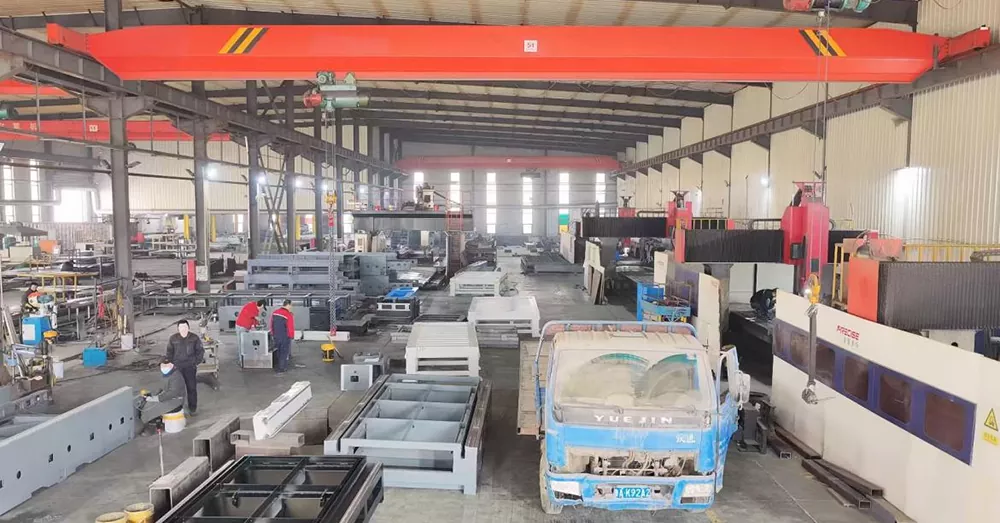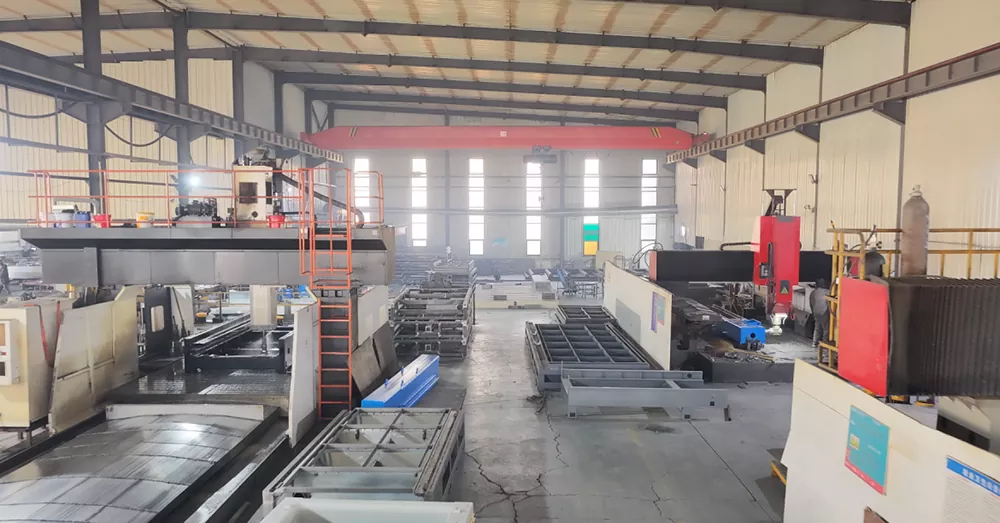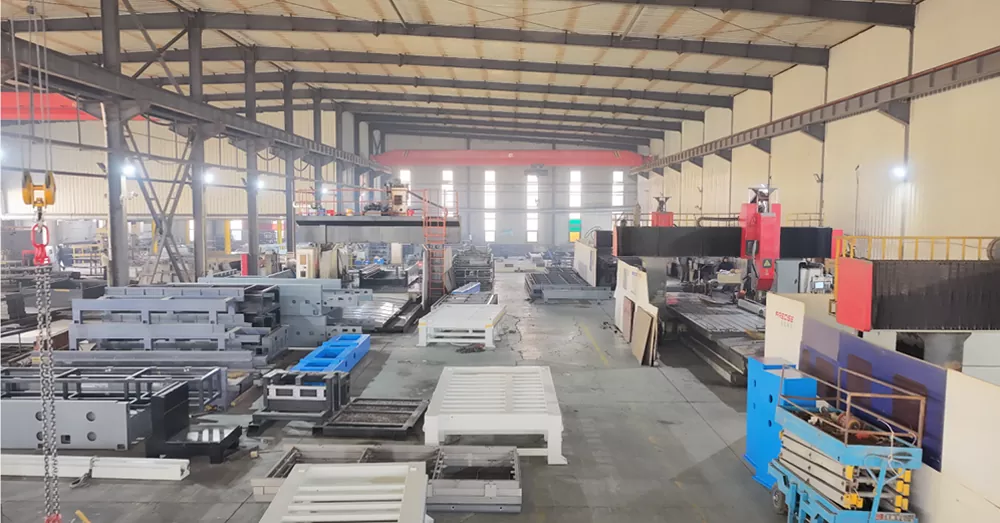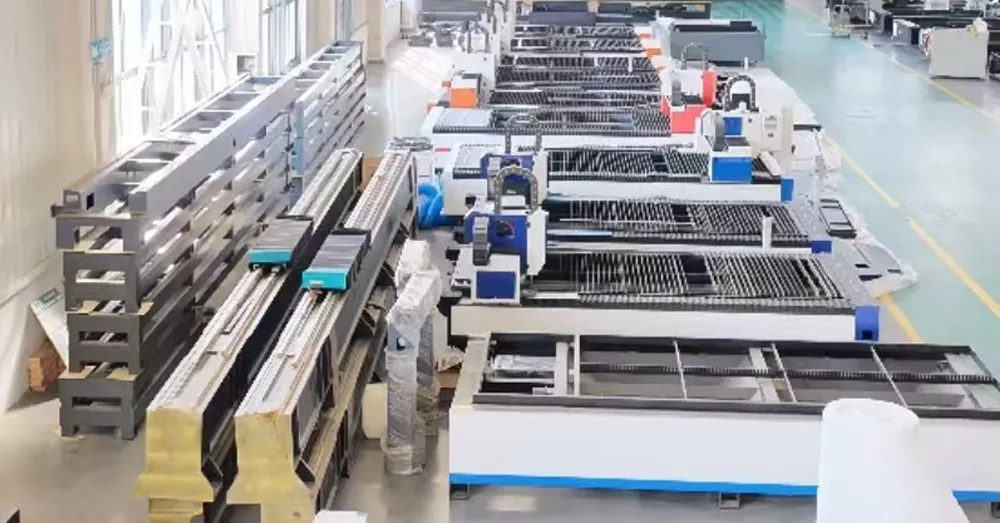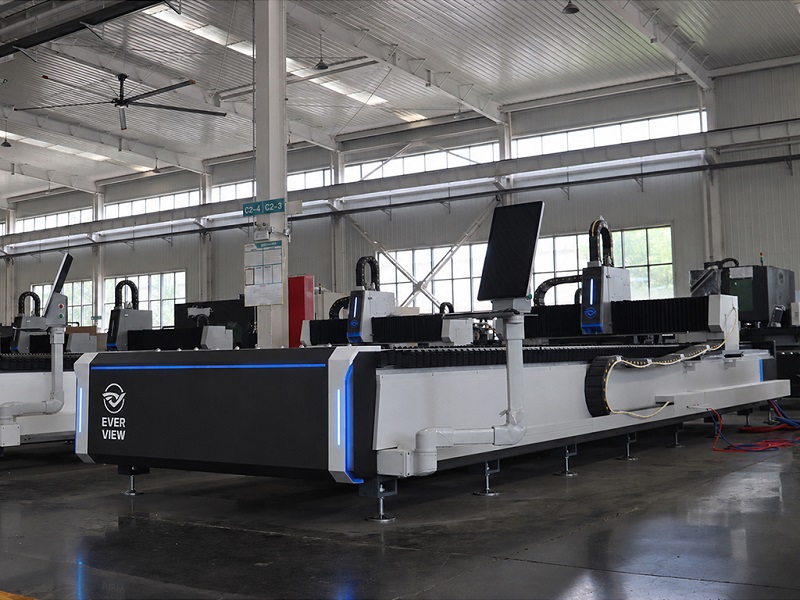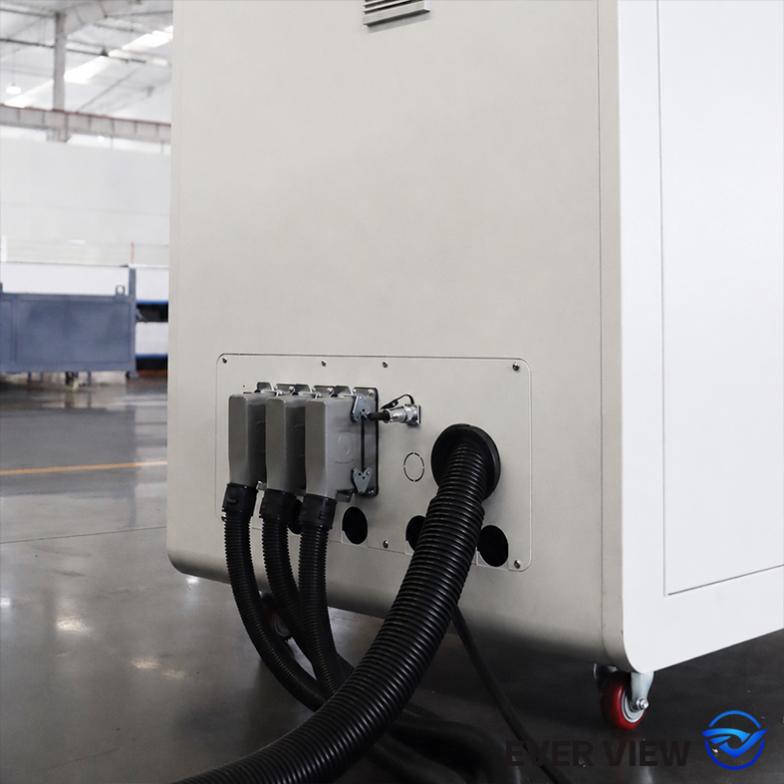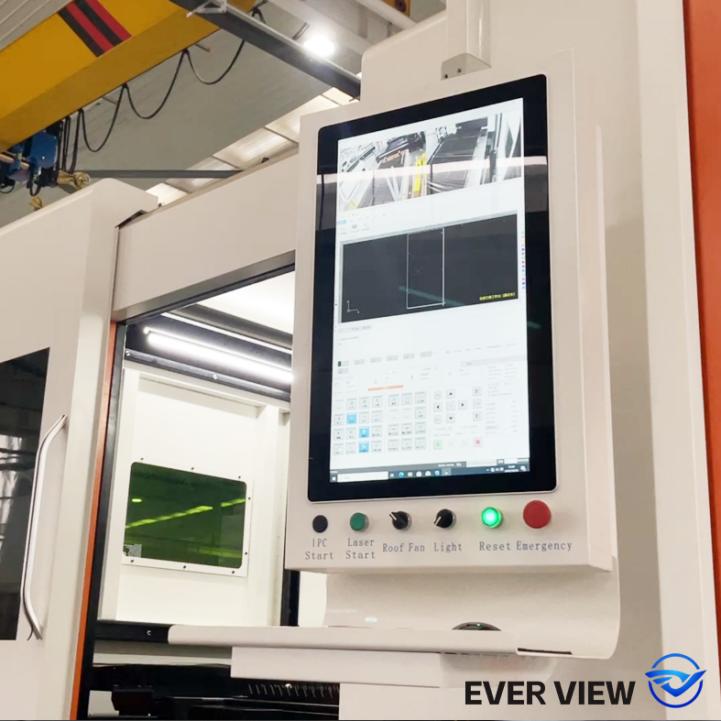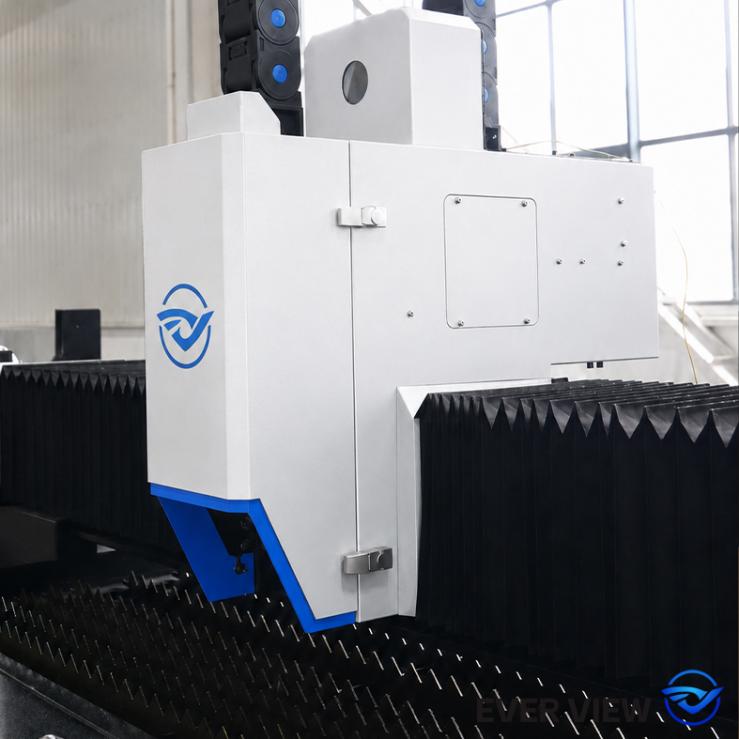
Laser cutting machine production equipment typically comprises several key components that work together to ensure high-precision and high-efficiency cutting. Below are some of the main production equipment and components:
Laser
The core component of a laser cutting machine, responsible for generating a high-intensity laser beam.
Common laser types include:
- CO₂ lasers — suitable for cutting metals and non-metals
- Fiber lasers — suitable for metal cutting, especially highly reflective metals
- Laser diodes — used for low-power laser cutting
Laser Head
The laser head is the focusing and control device for the laser beam. It includes components such as a focusing lens, gas nozzle, and lens, used to focus the laser beam onto the material surface and ensure cutting precision.
Modern laser heads also feature automatic focusing capabilities, automatically adjusting the focal length according to the different thicknesses of the material to guarantee cutting results.
Control System
Laser cutting machines are typically equipped with a Numerical Control (CNC) system, which can precisely control parameters such as the laser beam position, cutting path, and speed.
The control system works in conjunction with components such as the laser head, worktable, and gas system to ensure the automation and efficiency of the cutting process.
Machine Tool and Worktable
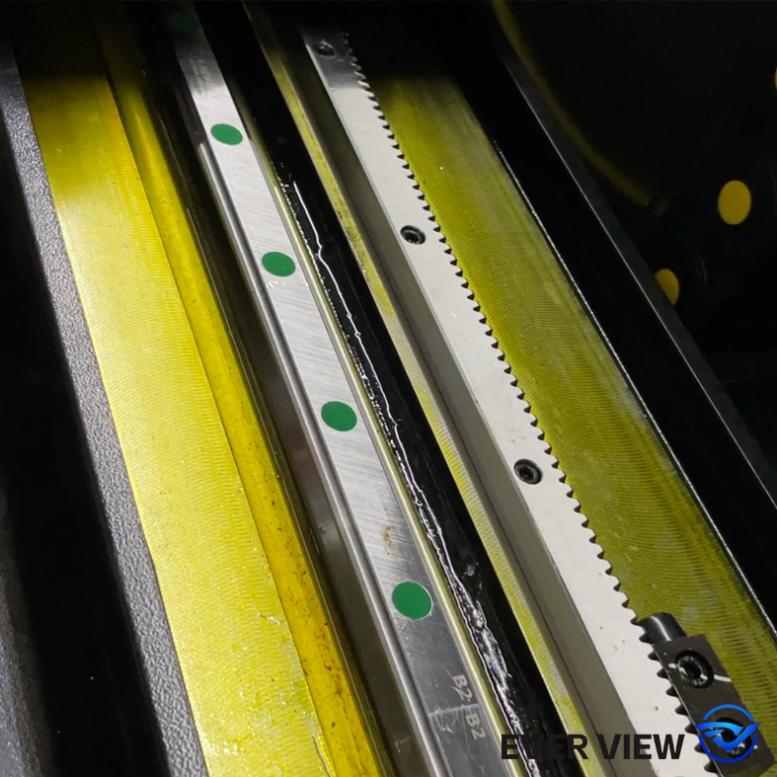
The machine tool section supports and moves the material, typically equipped with X, Y, and Z axis drives to ensure precise material positioning during cutting.
The worktable is often designed with adjustable height to accommodate materials of varying thicknesses, and some feature a grid structure to prevent material deformation during cutting.
Cooling System
Laser and cutting head generate a significant amount of heat during operation, thus requiring a cooling system to maintain equipment stability.
💧 Water cooling Typically used for higher-power lasers.
🌬️ Air cooling Suitable for lower power or compact systems.
Common cooling methods include water cooling and air cooling. Water cooling systems are typically used for higher-power lasers.
Gas Supply System
Laser cutting often uses nitrogen, oxygen, air, or other gases to assist the cutting process. These gases help remove slag or fumes generated during cutting and enhance the cutting effect.
🔥 Oxygen Typically used for cutting carbon steel to help increase cutting speed.
❄️ Nitrogen Used for cutting metals such as stainless steel to provide a finer cut.
Fume Exhaust System
During the cutting process, the material releases fumes and harmful gases. The fume exhaust system collects and removes these gases, ensuring a clean and safe working environment.
This system is typically equipped with a high-efficiency filter to remove toxic substances and particles.
Automatic Material Changing System Optional
Some high-end laser cutting machines are equipped with automatic material changing devices to automate cutting production. This system can automatically replace cut material with uncut material, improving production efficiency and reducing manual intervention.
Cutting Auxiliary Equipment
Including laser protective covers, safety screens, and lighting devices, these ensure operator safety and improve visibility in the working environment.
Laser protective covers Safety screens Lighting devices Vision positioning system
Some equipment is also equipped with a vision positioning system to automatically detect material deviations and ensure precise cutting positioning.
Laser Cutting Machine Software
The software component typically includes design and programming software that converts CAD drawings into cutting path instructions (such as G-code).
The software can automatically optimize the cutting path, control the cutting speed, adjust the focal length, and manage the material cutting sequence, thereby improving production efficiency.
📐 Optimize cutting path ⚡ Control cutting speed 🔍 Adjust focal length 📋 Manage cutting sequence
📌
Summary
The production equipment for laser cutting machines includes key components such as the laser, laser head, machine tool, control system, cooling and gas supply system, and fume extraction system. High-end laser cutting machines may also be equipped with automatic material changing systems and other auxiliary equipment. These devices work together to achieve precise and efficient cutting operations.